
Smart Travel Tools for Effortless Trip Organization
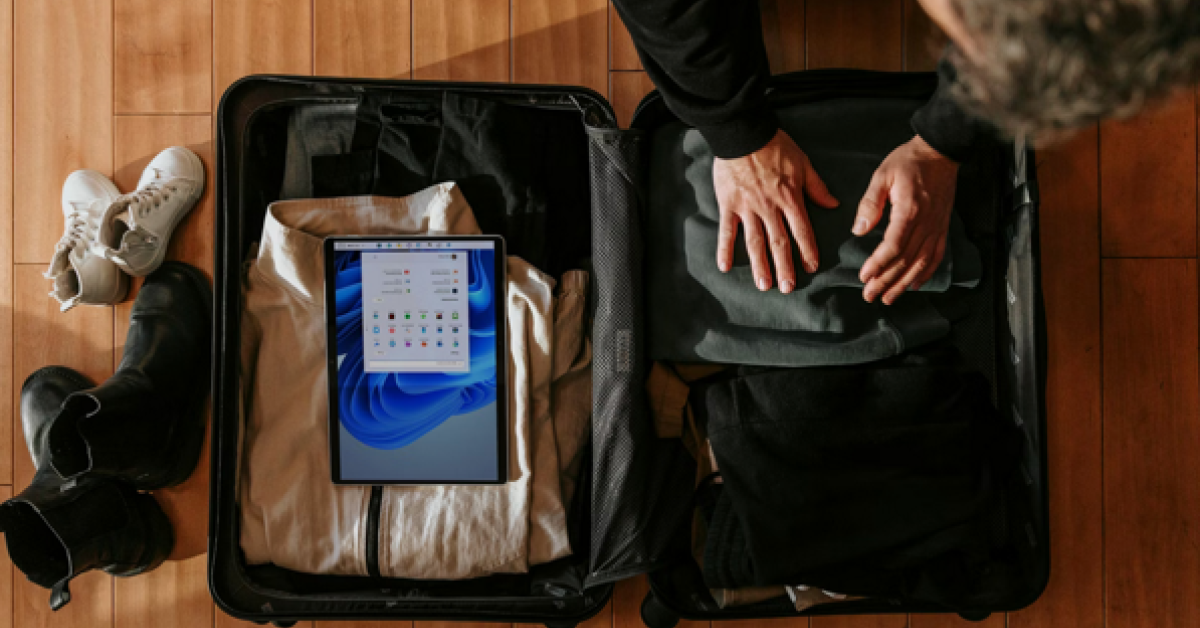
an-overhead-view-of-a-person-packing-a-suitcase-Surface-Unsplash.com
Smart Travel Tools for Effortless Trip Organization
Traveling has become easier thanks to technology. Smart travel tools now help travelers organize everything from flight bookings to packing lists. These tools are designed to make each part of the trip smooth and efficient, giving travelers more time to enjoy their journey. Whether you are a frequent flyer or an occasional explorer, using the right apps can transform the way you travel.
1. Why Smart Tools Matter in Modern Travel
In the past, trip planning required printed guides, paper tickets, and long phone calls to agents. Today, one smartphone can handle it all. Smart travel tools combine planning, booking, and real-time updates in one place. They minimize stress, help avoid mistakes, and give travelers instant access to important details. For those who travel often, these tools have become essential for saving time and energy.
2. Tools That Simplify Trip Planning
Planning a trip can be complicated, but digital itinerary tools make it manageable. Apps like TripIt and Wanderlog automatically organize flight, hotel, and transport confirmations from email. They build a timeline of your trip and sync with your calendar, keeping everything in one spot.
- Automatic itinerary creation from email bookings.
- Reminders for check-ins and departure times.
- Sync with phone calendars for better scheduling.
These features make planning less stressful and ensure that no important booking gets lost in your inbox.
3. Smarter Booking Platforms
Finding affordable and convenient travel options used to take hours. Now, booking tools like Skyscanner, Hopper, and Kayak compare thousands of flights and hotels in seconds. They track price trends, send alerts when fares drop, and help you find the best value for your budget.
These smart platforms use predictive algorithms that recommend when to buy tickets or which day to travel for cheaper prices. For travelers who like flexibility, these insights are invaluable for planning cost-efficient trips.
4. Packing Made Easy
Packing is one of the most time-consuming parts of preparing for a trip. Smart tools like PackPoint take away the stress by generating packing lists based on your destination, travel dates, and planned activities. They even consider weather forecasts to suggest appropriate clothing.
- Input destination, dates, and activities.
- Get a checklist of clothing and travel essentials.
- Mark off items as you pack them.
This method ensures you never forget important items while keeping your luggage light and organized.
5. Navigation and Language Support
When you arrive at your destination, navigation apps are your best travel companions. Google Maps, Maps.me, and Rome2Rio provide directions, public transportation details, and estimated travel times. Many of these apps work offline, making them useful in areas with poor internet connections.
To make communication easier, translation tools like Google Translate and DeepL help bridge language gaps. They translate menus, signs, and conversations in real time, allowing smoother interactions with locals.
6. Keeping Track of Expenses
Smart budgeting tools help travelers manage money during trips. Apps such as Trail Wallet and Splitwise record spending, convert currencies, and split bills among group travelers. They organize expenses by category and display summaries for better control.
- Track daily spending by category.
- Convert currencies automatically.
- Share and split costs among travel partners.
By using these apps, travelers can avoid overspending and maintain clear records of their financial activity.
7. Storing Travel Documents Securely
Losing important travel documents can cause major problems. Cloud-based storage tools such as Google Drive or Apple Wallet allow travelers to store digital copies of passports, tickets, and insurance papers. Files are encrypted and accessible even offline. Some apps also offer automatic backups to keep information safe from device loss or theft.
For added protection, using a VPN while browsing on public Wi-Fi helps secure sensitive information like flight details or online payments.
8. Real Benefits for Everyday Travelers
Imagine planning a two-week trip across different countries. A single platform manages your bookings, another tool organizes your packing, and a third tracks your expenses. Together, they create a seamless system that reduces confusion. Instead of juggling multiple paper documents and reminders, you have everything neatly synced on your phone.
This combination of smart tools gives travelers confidence and control. It ensures smoother transitions between flights, hotels, and local travel without last-minute stress.
9. Choosing the Right Tools for Your Needs
Every traveler has different preferences. A digital nomad might prioritize expense tracking and reliable internet tools, while a family traveler might focus on itinerary organization and booking apps. The key is to choose tools that complement your travel style instead of using too many apps at once. A simple, well-integrated toolkit is more effective than a crowded home screen.
- Pick one tool for each task (planning, booking, packing, navigation).
- Try the apps before traveling to learn their functions.
- Keep them updated for smooth performance during your trip.
10. The Future of Travel Technology
As travel technology evolves, artificial intelligence continues to improve personalization. Soon, tools will predict what you need before you even search for it. AI systems may automatically adjust itineraries when flights are delayed or suggest the best restaurants based on your preferences. These developments are leading to a future where travel feels more effortless and intuitive than ever before.
11. Travel Made Simpler
Smart travel tools redefine how people explore the world. They replace stress and confusion with clarity and efficiency. From planning to budgeting, each tool adds a layer of organization that supports a smooth journey. The more integrated these tools become, the more travelers can focus on what truly matters—experiencing new places, cultures, and connections with confidence and ease.