
Travel Food Spots Hidden from Most Tourists
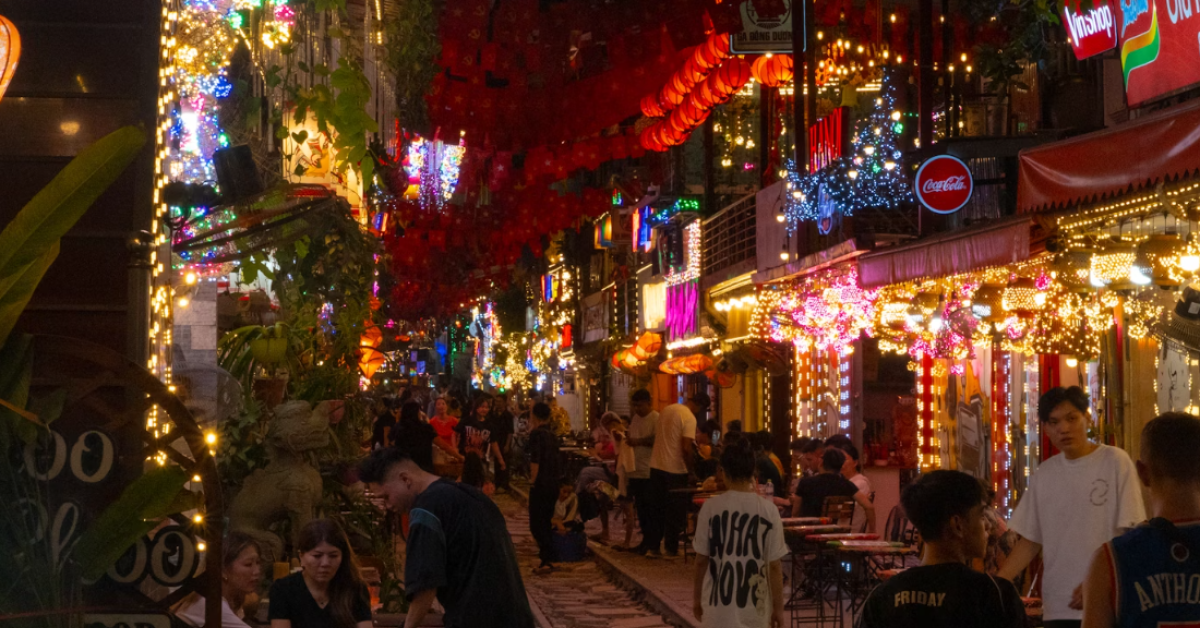
busy-street-market-at-night-with-colorful-lights-Florian Delée-https://unsplash.com/
Travel Food Spots Hidden from Most Tourists
Every city has two faces. One is built for tourists—neon signs, picture-perfect menus, English translations. The other is quieter, tucked away in backstreets and basements, where the true flavor of a place lives. To find it, you have to look beyond the travel guides and follow your senses: the scent of grilled spices drifting from an alley, the chatter of locals during lunch, the flicker of a single bulb above a family-run stall.
1. Bangkok’s Midnight Noodle Corners
When the night markets close, Bangkok doesn’t sleep—it transforms. Locals gather around makeshift noodle stands where steam rises like mist and the sound of sizzling garlic fills the air. These stalls have no signs, no menus, and often, no names. But what they serve—boat noodles rich with star anise, crispy pork with chili vinegar—tells a story of generations perfecting a recipe in silence.
Travelers rarely find these places unless a local brings them. They exist on trust, word of mouth, and the smell of broth guiding you down the street.
2. Lisbon’s Hidden Seafood Taverns
In Lisbon’s old neighborhoods like Alfama and Mouraria, you’ll find doors that don’t look like restaurants at all. Step inside, and you’ll be met with the aroma of grilled sardines, olive oil, and garlic. Here, there are no fancy tablecloths—just laughter, clinking glasses, and plates that arrive before you’ve even ordered.
These taverns are run by families who’ve cooked for the same community for decades. The recipes aren’t written down; they’re passed from grandmother to granddaughter. You won’t find them on TripAdvisor—but you’ll remember them long after the flight home.
3. Tokyo’s Standing Sushi Bars
In Tokyo, fine dining isn’t always found in Michelin-starred restaurants. Some of the best sushi experiences happen in standing-only bars tucked inside train stations or under bridges. Locals stop by for a quick meal—two pieces of toro, a sip of sake, and a bow of gratitude to the chef.
These hidden spots are humble, efficient, and unforgettable. The sushi is sliced before your eyes, served within seconds, and tastes fresher than anything you’ll find in a tourist-packed sushi chain.
4. Mexico City’s Neighborhood Tortilla Workshops
In Mexico City, street tacos are an art form—but the true secret lies behind the scenes, in the tortilla workshops known as “tortillerías.” Here, locals queue at dawn as the smell of corn fills the air. Each tortilla is hand-pressed, slightly charred, and still warm when it’s wrapped in paper. Some workshops even let you sample straight from the griddle, paired with homemade salsa from the owner’s kitchen next door.
Tourists pass by without noticing. But for locals, this ritual is sacred—an unspoken reminder that food isn’t just sustenance; it’s heritage.
5. Istanbul’s Rooftop Teahouses
While most visitors crowd Istanbul’s Grand Bazaar, locals slip quietly into rooftop teahouses hidden above carpet shops. The sound of prayer echoes through the air as the sun sets over the Bosphorus. Here, tea is served not for caffeine, but for conversation. Locals debate politics, poets, and football scores over tiny tulip glasses filled with deep amber liquid.
If you’re lucky, the owner will hand you a glass without asking—because in Turkey, hospitality isn’t a service, it’s a language.
6. Morocco’s Secret Courtyard Kitchens
Behind blue-painted doors in Chefchaouen and Fez lie small kitchens where Moroccan women prepare couscous and tagine for neighbors and friends. These aren’t restaurants—they’re homes where travelers are sometimes invited in by chance or kindness. You’ll sit on a woven mat, share bread with your hands, and taste spices that no restaurant dares to imitate.
To find these meals, you don’t follow a map. You follow a smile, a conversation, or the smell of cumin drifting down an alleyway at dusk.
7. The Unwritten Rule of Hidden Food
The best food spots in the world rarely advertise themselves. They thrive on community, memory, and reputation—not marketing. The cook might not speak your language, and the sign might be nothing more than a flickering light. But if the line of locals is long and the smell irresistible, you’ve found something special.
Because travel isn’t about checking off destinations—it’s about tasting the stories that never make it to postcards.